
LAST UPDATED: Nov 6th, 2025
Whether you’re new to boxing or you’ve been training for years, one thing becomes clear fast – not all gloves are the same. Each type serves a different purpose, from bag work to sparring to full competition. Knowing the differences helps you train smarter, protect your hands, and get more out of every session.
Below are the 9 Main TYPES of BOXING GLOVES worth knowing about, plus a practical tip for each one.
All TYPES of Boxing Gloves in 2026
# 1 | TRAINING GLOVES
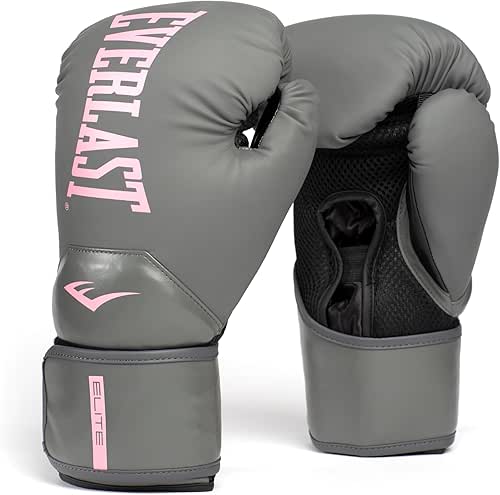

Try These for Daily Workouts
These are your everyday gloves. Designed for all-around use, they handle bag work, mitt drills, and general training. They offer balanced padding, solid wrist support, and are built to last.
If you hit the bag or train several days a week, start with a solid all-purpose glove that won’t wreck your wrists.
# 2 | BAG GLOVES

Protect Your Hands During Heavy Sessions
These gloves are built for repeated impact on a heavy bag or speed bag. They usually have denser padding and more rigid wrist support to withstand continuous strikes.
Switch to bag gloves for impact drills – your knuckles will thank you.
# 3 | SPARRING GLOVES
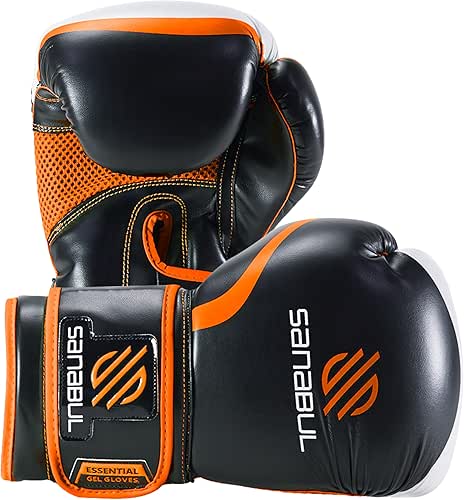
Stay Safe While You Learn
Used for partner training, these gloves emphasize safety – for both you and your partner. They often have more padding and a broader striking surface to reduce the risk of impact injury.
Choose gloves that let you train longer without bruising your hands or your partner’s face.
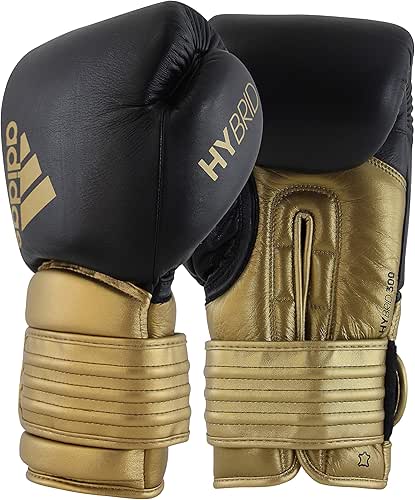
Step Into the Ring with Confidence
These gloves are used in official, sanctioned amateur fights. They often have firmer construction and are available in red/blue colour codes to meet event rules.
Competition gloves focus on scoring and speed – perfect your form before fight night.
# 5 | PROFESSIONAL GLOVES
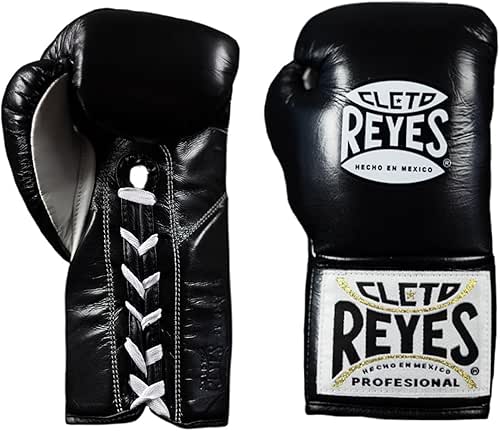
Feel the Precision of a Pro Glove
These are built for pro fights. They are smaller, tighter, and have thinner padding, so punches land harder and faster. Not ideal for casual training.
Once you’ve earned your footing, step up to fight-grade gloves for true feedback.
# 6 | MEXICAN-STYLE GLOVES
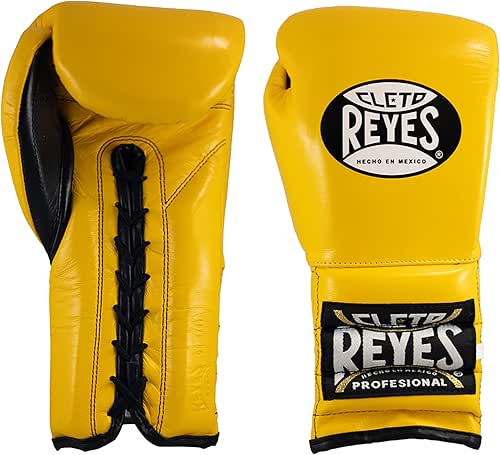
The Classic Fit That Never Goes Out of Style
These gloves are known for a snug fit, long cuffs, and a traditional feel. They provide great wrist support and a strong punch feel.
These gloves are about feel and tradition – expect tight form and strong wrist support.
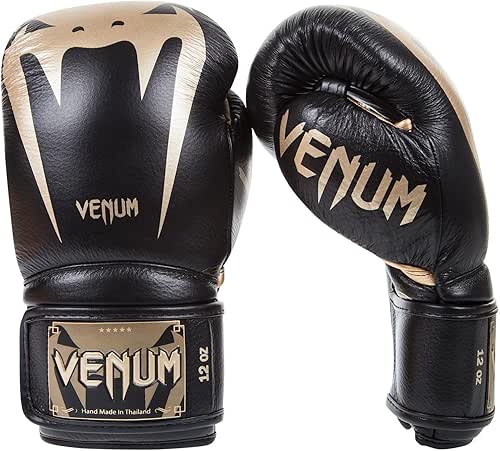
Designed for Flexibility and Grip
For training that involves clinch work, kicks, or a mix of striking arts, these gloves offer extra flexibility and side padding for blocking.
If you mix kicks, elbows, and clinch work, these gloves give complete protection and mobility.
# 8 | MMA / Hybrid Gloves
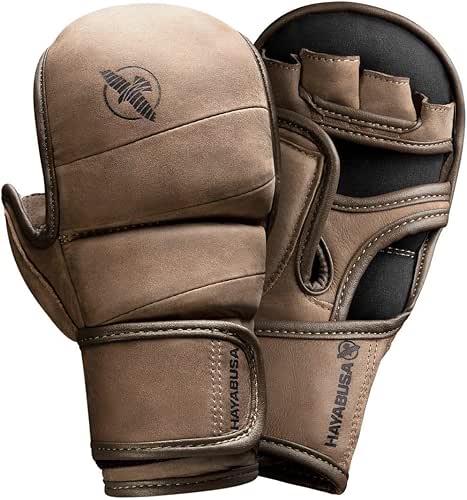
Train Across Disciplines
These are the open-finger style used in mixed martial arts – less padding, more mobility. They’re more for striking plus grappling, not traditional boxing.
For cross-training in striking and MMA, hybrids let you keep a natural hand feel.
# 9 | Fitness / Cardio Gloves
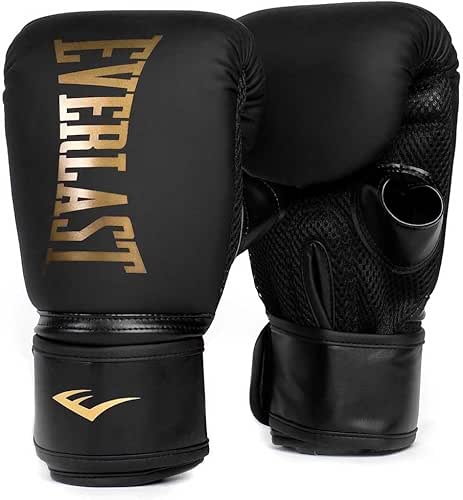
Perfect for Cardio and Conditioning
These are made for workout classes, bag circuits, and fitness boxing, not full-contact fighting. They’re lighter, more comfortable, and built for high-rep sets.
If you’re boxing for fitness, stick with gloves that prioritize comfort and ventilation.
FAQ for Choosing Boxing GLOVES
How do I know what glove size (oz) to buy?
The weight (in ounces) roughly correlates to padding and size. For example, under 120 lb → 10-12 oz; 120-150 lb → 14 oz; over 150 lb → 16 oz or higher. Try them on if you can.
Can I use one pair for everything?
You can, but it’s not ideal. Bag-specific gloves often have less padding (more stress on your hand), while sparring gloves have extra cushion to protect your partner.
What’s the difference between lace-up and Velcro (hook-and-loop) gloves?
Velcro closures are quick and convenient for solo training. Lace-up gives a tighter, more secure fit (often preferred in serious training or competition) but usually requires help to tie.
Do more expensive gloves mean better protection?
Not always. Higher cost often means better materials (genuine leather, handmade) and craftsmanship, but you’ll still need to match the glove to its purpose (bag vs sparring vs fight).
How often should I replace my gloves?
There’s no fixed rule, but if you train frequently, they will compress, padding will flatten, and wrist support will wear. Many trainers suggest replacing every 6-12 months for heavy use.
BOTTOM LINE
Having the correct glove makes every round safer and more effective. If you’re starting out, a reliable pair of training gloves will cover most of your needs. As you progress, specialized gloves – like sparring or competition models – will help you perform better and protect your hands in the long term.